 THE CAPTAIN'S METHOD™
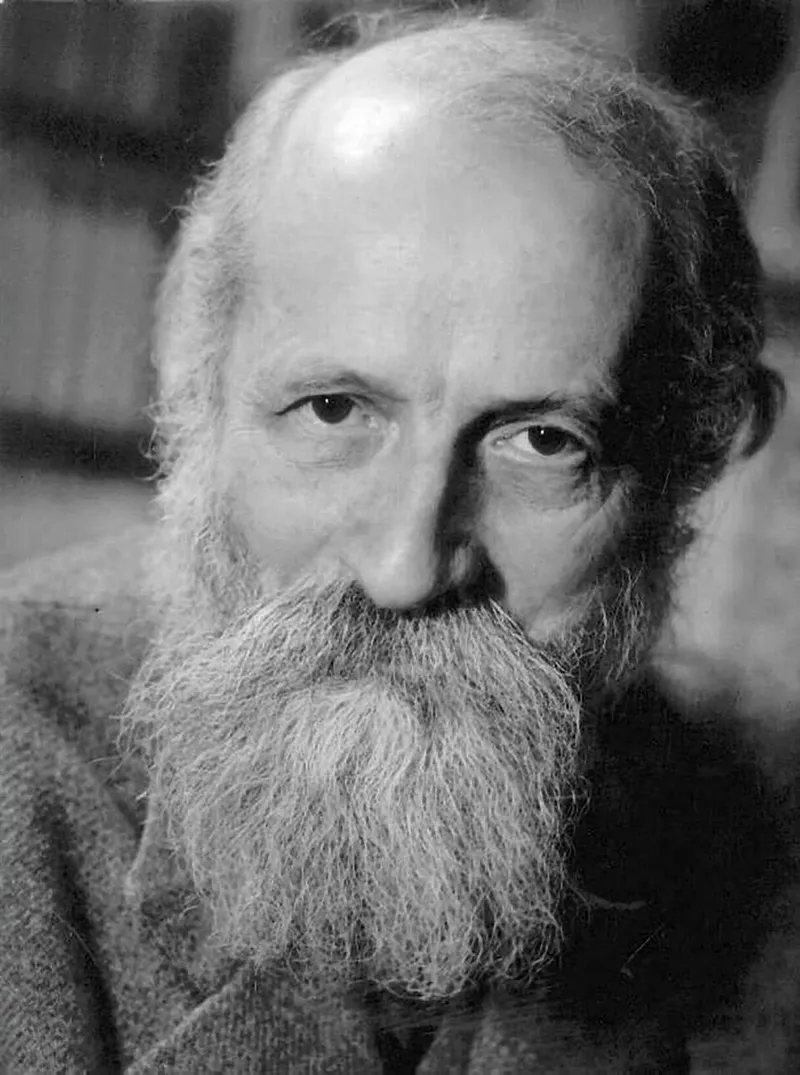
Martin Buber
Where this shows up in the Captain’s Method
Buber appears in two places in our doctrine. I-It sits in the Cause layer of the Adventure Personality beside Arbinger's self-betrayal, as the moment a leader starts treating people as objects, and I-Thou names Recognition in Navigational Capability, seeing people as partners. In Collaborative Communication, collaboration as joint ownership of a goal depends on that kind of meeting. At Stage 1 of the Return Map, Map Stakeholder ACCORD, each stakeholder is treated as an adopter with their own view of the change.
- Environment
I-Thou describes the quality of meeting that lets trust form inside a crew.
- Personality
Buber held that a person becomes an I through meeting a Thou, and the Adventure Personality places I-It in its Cause layer, the way security is lost.
Buber was born in Vienna in 1878 and, after his parents divorced, was raised from the age of three by his grandfather Solomon Buber, a scholar of Midrash, in Lemberg (today Lviv). He taught Jewish philosophy and ethics at the University of Frankfurt and resigned in 1933 when Hitler came to power. In 1938 he moved to Jerusalem to teach social philosophy at the Hebrew University, where he worked until his death in 1965. With Franz Rosenzweig he began a new German translation of the Hebrew Bible in 1925 and carried it on after Rosenzweig died in 1929.