 THE CAPTAIN'S METHOD™
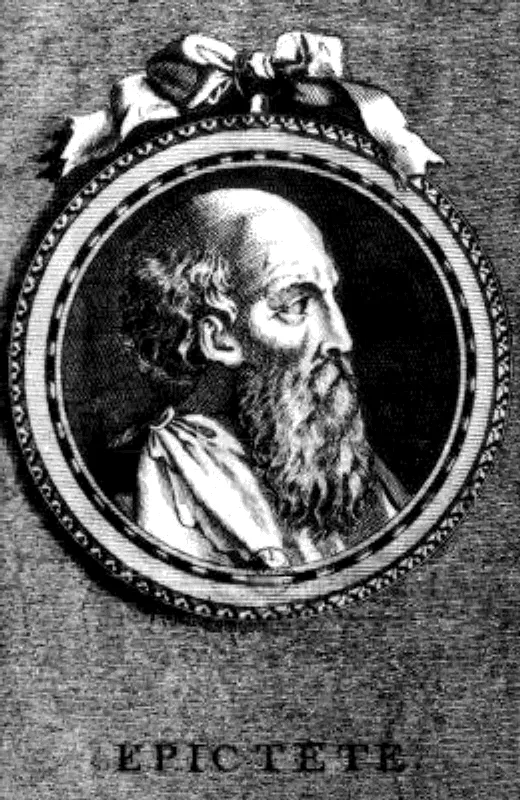
Epictetus
Where this shows up in the Captain’s Method
Epictetus anchors the Values principle of the Equanimity chapter, where members move from Exaggerated Values toward Straightforward Perception using his discipline of assent. He stands behind Right Action in Chapter 1, where the Boat Story turns when the boy changes what is his to change. He also underwrites the Governing Pattern proposition Responsibility Is the Refusal of the External Cause, and the Focus section's closing line, I choose my stimuli with my focus.
- Focus
He trains attention to sort what a person controls from what they do not before any effort is spent.
- Capacity
His discipline of assent, checking a first impression before accepting it, is the working skill under Equanimity.
- Personality
He placed freedom in a person's own choices and judgments, the root of a calm, chosen stance.
Epictetus was born into slavery in Hierapolis, in what is now Turkey, and was owned by Epaphroditus, an official at Nero's court in Rome. He studied Stoicism under Musonius Rufus, gained his freedom, and taught in Rome until the emperor Domitian banished philosophers from Italy. He then opened a school at Nicopolis in northwest Greece, and ancient sources say he walked with a limp. He wrote nothing himself; his student Arrian recorded the teaching in the Discourses and condensed it into the Enchiridion.