 THE CAPTAIN'S METHOD™
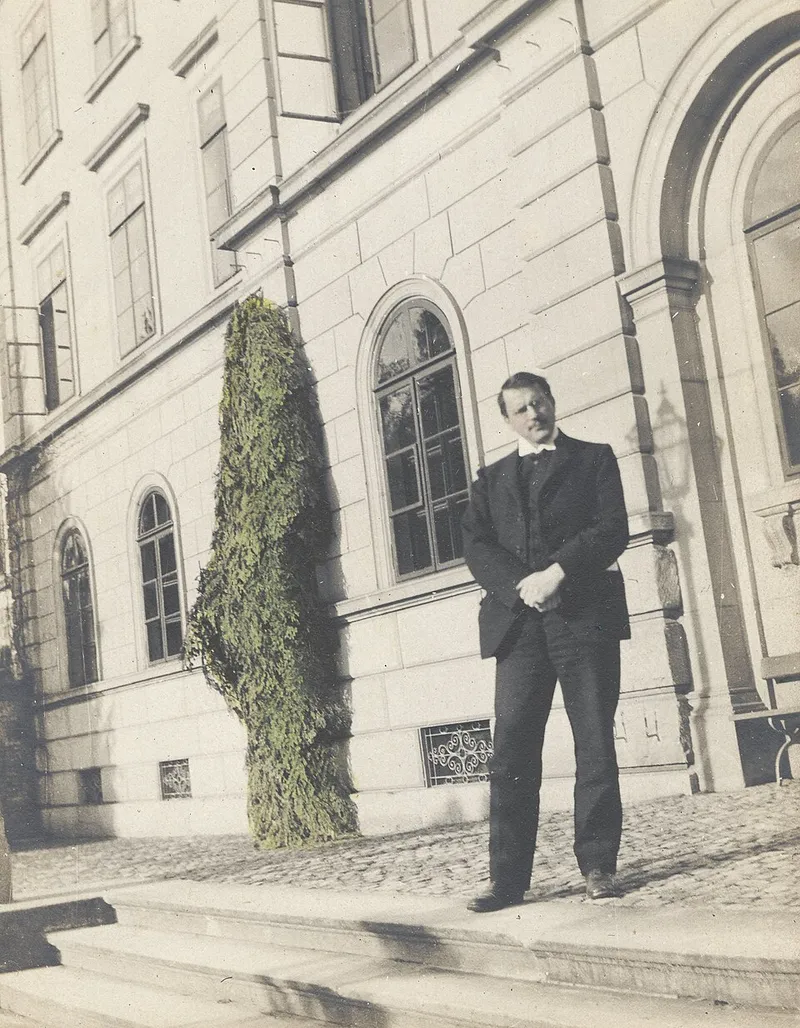
Carl Jung
Where this shows up in the Captain’s Method
Jung shows up most in the Personality pillar, where the Cause layer, self-betrayal, is a close cousin of what he called pushing something into the shadow. In The Inner Ring lesson, his persona names the mask a person builds to win a crowd, and the closing questions ask members what that mask helped them avoid feeling. His Psychological Types stands behind the Debate Stage, where members state the view they resist so its strongest defender would sign it.
- Personality
Persona, shadow and individuation give a language for how a person sees themselves, the first lens of the Adventure Personality.
- Environment
His types explain why people on one team read the same facts differently, which matters in Collaborative Communication.
- Focus
What a person refuses to look at keeps steering perception from below awareness, which is why Focus begins with seeing.
Carl Jung was a Swiss psychiatrist who trained at the Burghölzli clinic in Zurich and worked closely with Freud from 1907 until their break in 1913. He then built his own school, analytical psychology. His 1921 book Psychological Types made introversion and extraversion common words and became the basis of the Myers-Briggs Type Indicator. His central idea, individuation, is the lifelong work of bringing the hidden parts of the self, including the shadow, into a conscious whole.