 THE CAPTAIN'S METHOD™
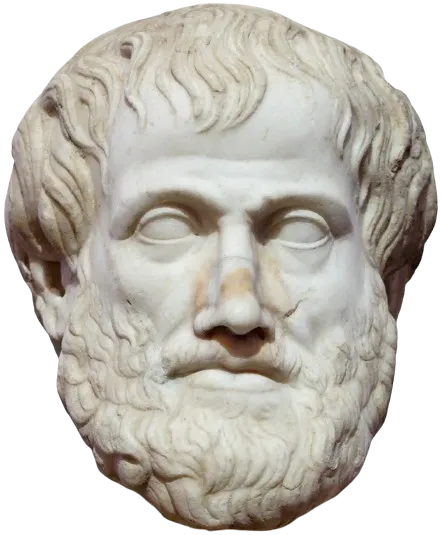
Aristotle
Where this shows up in the Captain’s Method
Aristotle's habituation is the logic behind our delivery rule, muscle memory first and theory second, and behind the Trait layer of the Adventure Personality, which is built by repeated practice under friction. Practical wisdom sits under Right Action and the Woodcarver, where the right move depends on reading the material in front of you. His Rhetoric gives the Writing chapter ethos, pathos and logos for reading an audience, and his idea of to kalon, the beautiful and the fine, anchors Making Life an Art Form.
- Personality
We become brave by doing brave acts, so character is something a person builds; this is the base of the Trait layer of the Adventure Personality.
- Capacity
Virtue as a habit formed by practice is the same model the Captain's Method uses for skill, muscle memory first and theory second.
- Focus
Practical wisdom, phronesis, is judgment about this case, the skill of seeing what the moment in front of you calls for.
Aristotle was born in Stagira in northern Greece in 384 BC and joined Plato's Academy in Athens at about seventeen or eighteen, staying until around 347 BC. In 343 or 342 BC Philip II of Macedon invited him to tutor his thirteen-year-old son, the future Alexander the Great. Back in Athens around 335 BC he founded his own school, the Lyceum. He wrote on ethics, politics, logic, rhetoric, poetry and the biology of animals, and much of Western science and philosophy starts from his categories.