Field Note · The Method — Master Article
Execution.
A Unified Theory of the Return Map and Fractal Scale Dynamics

Traditional management models—PMI waterfall sequences, Agile sprints, bureaucratic frameworks like PRINCE2—share a fatal flaw: they treat progress as a straight line from Point A to Point B. In real, complex conditions, that line breaks the moment something unexpected happens. Without a way to recursively self-correct, these systems respond to setbacks with brute-force schedule changes or scope creep, treating friction as failure instead of information.
The Return Map replaces that straight line with a closed loop. It runs in three phases—Connection, Depth, and Punctuation—and it never stops moving forward. When a constraint shows up, the system doesn't abandon the mission; it diagnoses exactly where the friction is, resolves it, and keeps going. Every cycle that reaches completion bridges straight back into the start of the next one, whether that's scaling from seed funding to a Series A, or moving a patient from acute care into long-term wellness.
Connection, Depth, Punctuation
Connection is where the stakeholders get mapped and the terms of the work get set — who's involved, what they each genuinely want, and what the honest deal looks like. Depth is where the real baseline gets established: the gap between where things stand and where they need to go, tested against outside reality, not just internal assumption — and where long-term questions like succession get decided early, before capital or effort is committed. Punctuation is where the work gets done: the operational rhythm, the execution itself, and a real, already-planned handoff to whatever comes next, rather than a scramble at the finish line.
The Same Pattern at Any Scale
The same three phases hold at any scale. A single emergency-room visit runs through Connection, Depth, and Punctuation in under an hour. A business acquisition runs through it over months. A career, a company, or a life runs through it over years, one cycle handing off to the next. Wherever there's a goal, people involved, and something in the way, this is how it gets worked through.
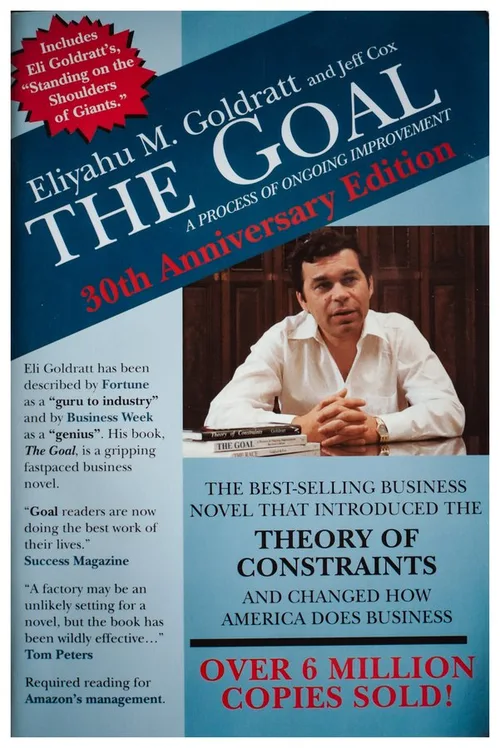
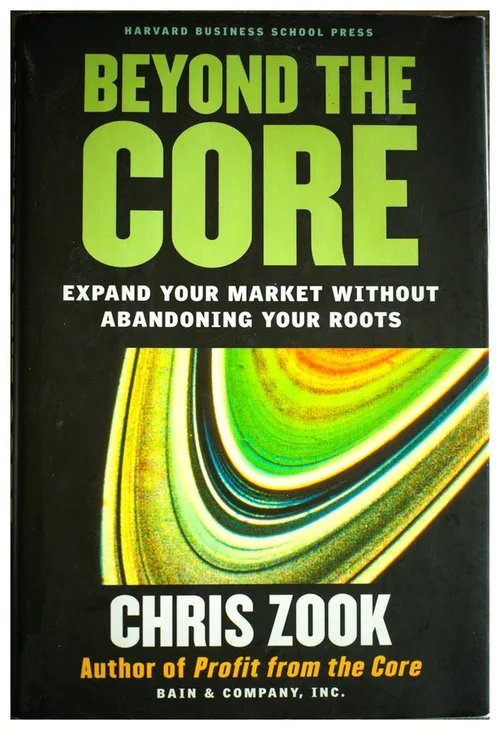
None of this exists in a vacuum. It draws directly on Goldratt's Theory of Constraints — find the one real bottleneck first, not everything at once — and on Chris Zook's research into how companies grow past their core business without losing what made them work in the first place. The difference from a rigid framework like PRINCE2 isn't the discipline; it's that the discipline responds to real friction instead of a calendar.
- Eliyahu M. Goldratt, The Goal: A Process of Ongoing Improvement (North River Press, 1984)
- Chris Zook, Beyond the Core: Expand Your Market Without Abandoning Your Roots (Harvard Business School Press, 2004)
- PRINCE2 (Projects IN Controlled Environments), UK Cabinet Office project management methodology